Ted and Linda Riddle
FEATURED BOOK
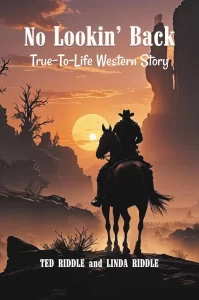
"No Lookin’ Back was brought to life early one Sunday morning in Tonkawa, Oklahoma, where the authors Ted and Linda Riddle lived.
Ted sat straight up in bed and said, “I know how I died.” That startled Linda, who was asleep next to him. His story flowed in such a way, it brought tears and laughter to her. She grabbed a yellow tablet and pencil and began writing. He did not slow down, so she could catch up. Soon she found a tape recorder and began recording this saga. Linda knew that this was not a dream. The tone of his voice was different and even the dialogue was strange, as Ted continued well into the morning…”


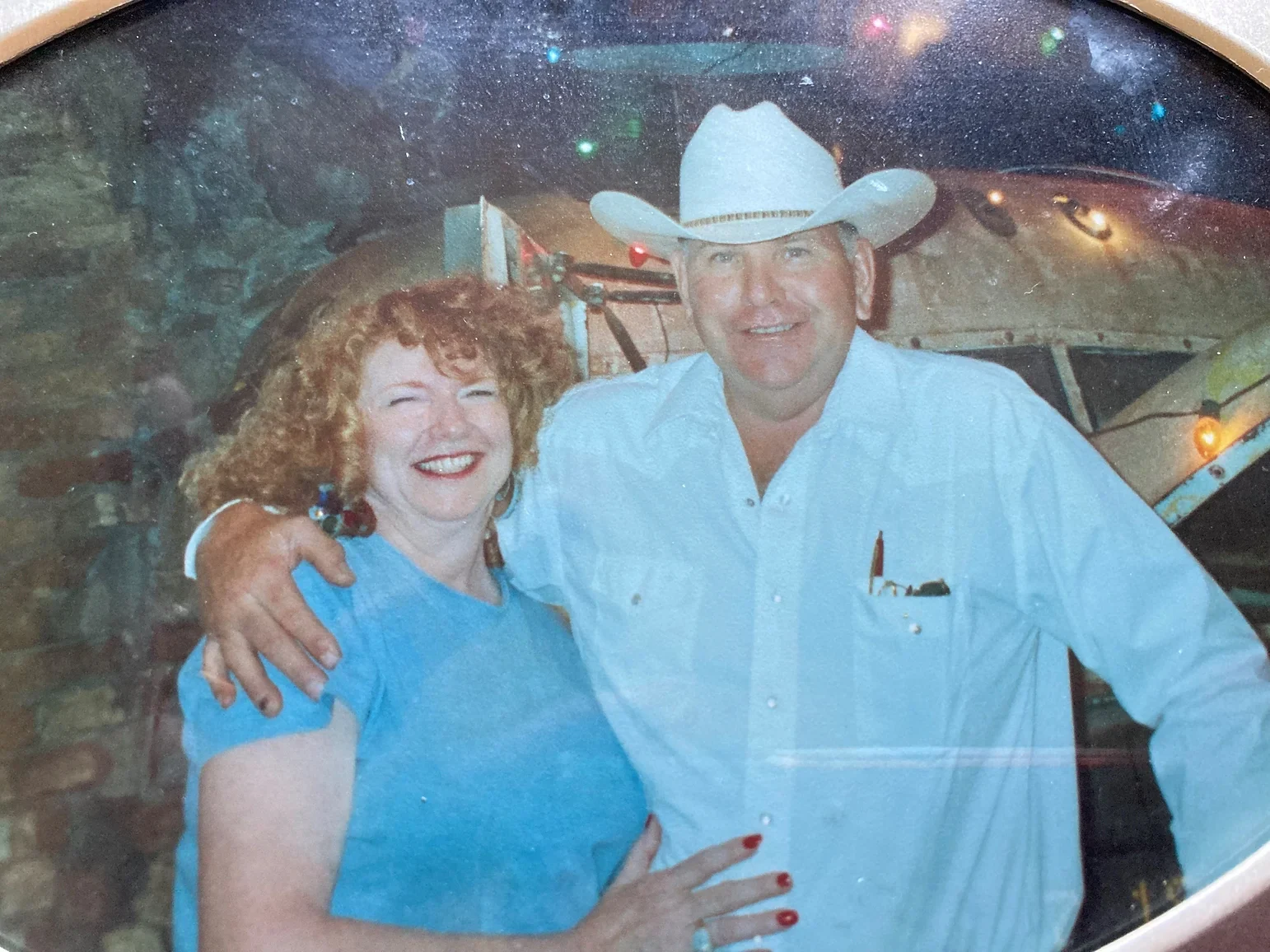
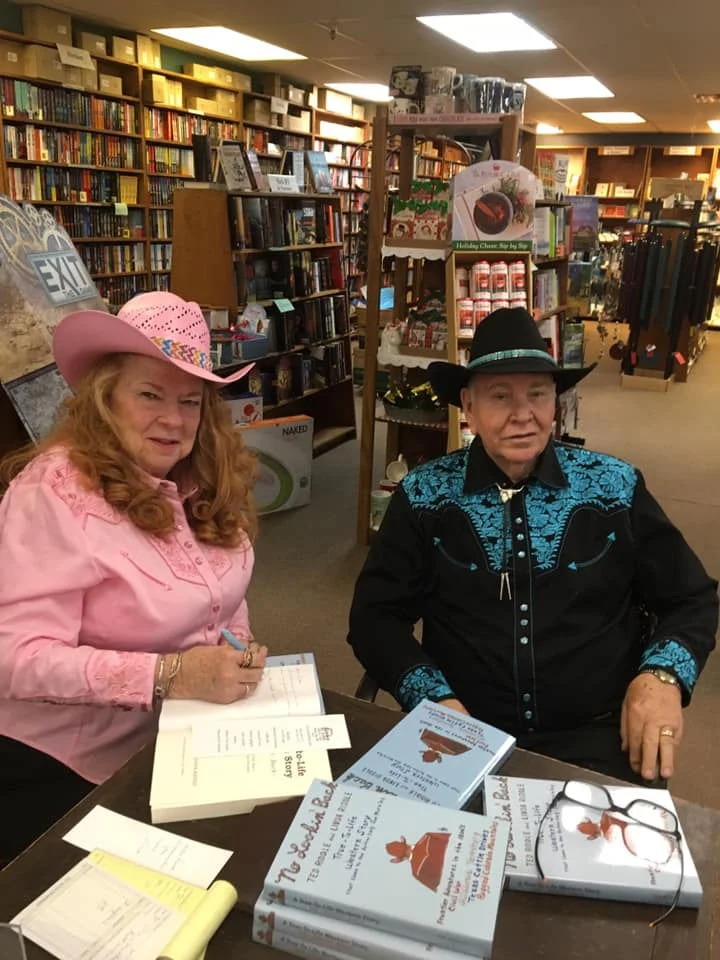
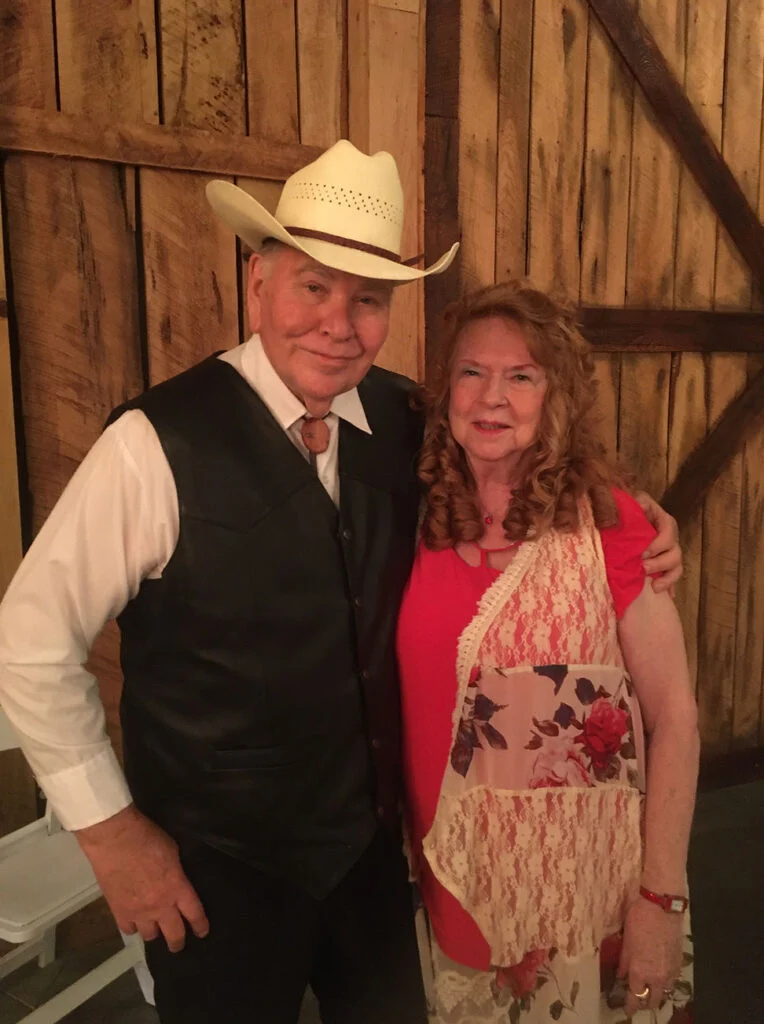
About the authors
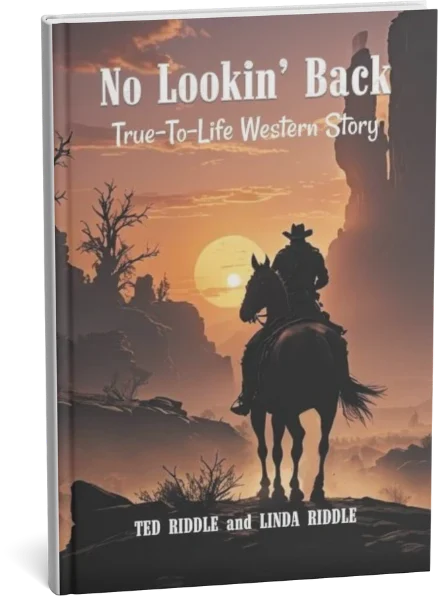
Ted and Linda (Love) Riddle are announcing the publication of their new book, “True-to-Life Western Story: No Lookin’ Back”, from Page Publishing of New York City. Ted Riddle, was born and raised near Red Rock, OK. He is an OSU graduate, and became a cattle rancher and wheat farmer.
BOOK REVIEWS

BlueInk Review
This Wild West saga follows the life of a young man who leaves home to fight in the Civil War, then survives myriad trials to become a successful rancher and proud family man.
In the prologue, Linda Riddle describes how her husband Ted woke up at 4 a.m. one Sunday morning and began speaking in a different voice and dialect. “The hairs on my arms stood on end and chills continued as he told in detail events that happened over one hundred years ago.” These recollections form the basis of the story.
In 1862, Tom Summers is 16 years old when he and his brother, John, leave their Tennessee home to join the 34th Illinois Infantry. The brothers are soon separated, and Tom is wounded and in danger of losing a leg. A kind nurse helps him recover, and Tom, having seen enough violence, deserts, heading west, where he’s told he’ll find neutral Indian territory 300 to 400 miles away.
Dodging military scouts in search of deserters and backwoods thieves, surviving snake bites and experiencing his first time with a woman, Summers reaches Camp Supply, Oklahoma, where he finds work as a blacksmith and begins learning skills to survive in the west. He establishes a ranch; marries and has children; faces all manner of unsavory characters, including a murderous banker; leads adventuresome cattle drives, and occasionally takes the law into his own hands.
This is an engaging read, rich in historical detail, color and description (“All Tom heard was a whizzing sound, and Jimmy’s head was gone,” the authors write of wartime.) The pacing is varied, with plenty of action and drama throughout, but slowing when the narrative veers into descriptions of family life, such as planning a wedding, furnishing a home, etc.
The use of dialect, with words such as “goin’, lookin’, killin’ lettin’,” grows tiresome, and the tale is not necessarily fresh. Nonetheless, it’s an absorbing escape that Western fans will enjoy.

Foreword Reviews
Ted Riddle and Linda Riddle’s historical novel No Lookin’ Back recounts frontier adventures in the 1800s American West.
A dream-inspired, transcribed story embellished with details gleaned from research, library visits, and travels, the tale follows Thomas and John Summers, brothers who join the Union Army, fight in the Civil War, and then go out to explore the Wild West. They visit Arkansas, Oklahoma, Texas, Kansas, and Colorado during their wide-ranging travels, which are an open-ended look at their historical period.
The story “ends and begins” with a gripping account of Thomas’s death. This carries greater symbolic weight: the event represents a transition from an old, established way of life to the barreling progress of the modern world. Jumping back in time to his birth in Tennessee, the book then shares riveting, episodic tales that reinforce its theme of boundless horizons to explore. Thomas’s trips through Oklahoma territory, Texas cattle drives, and the Rocky Mountains capture the expansive sweep of the West and evoke the sparse grandeur of its rugged landscapes. Later, a heartbreaking loss leads to a ride-off-into-the-sunset conclusion alluded to early on. It’s a poignant, contented ending that also reflects some personal growth.
Embellished by supplementary materials (including a timeline of Western history, drawings, black-and-white photographs, and pencil illustrations that become more elaborate as the story goes on), this is an atmospheric tale. The book touches upon familiar historical reference points, too, including Wyatt Earp, Dodge City, and General Custer, weaving edifying factual information in. There are telling details about chuck wagons, hardtack, and bronco busting that animate its backdrop. Though its conversations are too exclamatory, its prose is otherwise straightforward and clear, complementing the shifting settings. When a train passenger falls and breaks his neck, for example, others open “the baggage-car door and [throw] the dead man in, right beside Tom’s saddles and belongings.” Grit and guilelessness dominate, as do memorable phrases (his “head felt as big as a number 3 washtub”). Grounded in the plainspoken dialect of its era, the prose evokes much with a few deft strokes: the “trains heading west were full of hopefuls chasing a dream” and the “sunsets were spectacular, showing the reds and golds in the whirls of clouds.”
The rollicking historical novel No Lookin’ Back captures the spirit of the Wild West via two brothers and their unquenchable sense of adventure.